
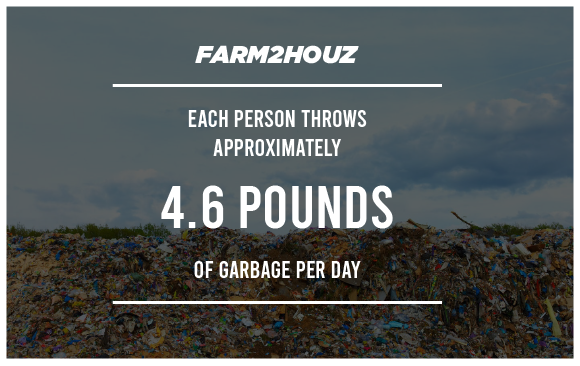
Many people do not understand how much food they discard every day, from unconsumed leftovers to spoiled agricultural products. EPA estimates that about 68 percent of the waste food we produced in 2018, or about 42.8 million tons, ended up in landfills or combustion facilities. We can help companies and consumers save money, also provide bridge for those who do not have enough to eat in our communities, and conserve resources for future generations by managing food sustainably and reducing waste.
Benefits of wasted food reduction
Resources for companies, agencies and government agencies It saves money by purchasing less food. It reduces the emissions of methane from landfills and decreases your carbon footprint. Conserves energy and resources, reduces harmful agricultural, production, transportation and sales (not to mention hauling the food waste and then landfilling it). Supports your society by offering untouched food donated that would otherwise have gone
Ways to Reduce Wasted Food
- You can save money and time and eat healthier food by simply making a list with weekly meals in mind. You’ll be more likely to keep it fresh and use it all if you buy no more than what you expect to use.
- Keep a running list of meals and their ingredients that your household already enjoys. That way, you can easily choose, shop for and prepare meals.
- Make your shopping list based on how many meals you’ll eat at home. Will you eat out this week? How often?
- Plan your meals for the week before you go shopping and buy only the things needed for those meals.
- Include quantities on your shopping list noting how many meals you’ll make with each item to avoid overbuying. For example: salad greens – enough for two lunches.
- Fresh fruits and vegetables can easily be over-bought or forgotten. For maximum freshness, store fruit and vegetables; they’ll taste better and last longer, helping you to eat more of them.
- Find out how to store fruits and vegetables so they stay fresh longer inside or outside your refrigerator.
- Freeze, preserve, or can surplus fruits and vegetables – especially abundant seasonal produce.
- Many fruits give off natural gases as they ripen, making other nearby produce spoil faster. Store bananas, apples, and tomatoes by themselves, and store fruits and vegetables in different bins.
- Be mindful of the old ingredients you need to use up and leftovers. You’re going to waste less and you might even find a new favourite dish.
- Shop in your refrigerator first! Cook or eat what you already have at home before buying more.
- Have produce that’s past its prime? It may still be fine for cooking. Think soups, casseroles, stir fries, sauces, baked goods, pancakes or smoothies.
- If safe and healthy, use the edible parts of food that you normally do not eat. For example, stale bread can be used to make croutons, beet tops can be sautéed for a delicious side dish, and vegetable scraps can be made into stock.
- Learn the difference between “sell-by,” “use-by,” “best-by,” and expiration dates.
BeBlessed Farm’s Farm2houz does not believe in disposing of food unnecessarily as it is also gift from god and we believe in utilizing a waste free lifestyle. Divert it from landfills if you can’t reduce wasted food, To help those in need, nutritious, secure, and untouched food can be donated to food banks. Instead of throwing them away, compost leftover food.
Leave a Reply