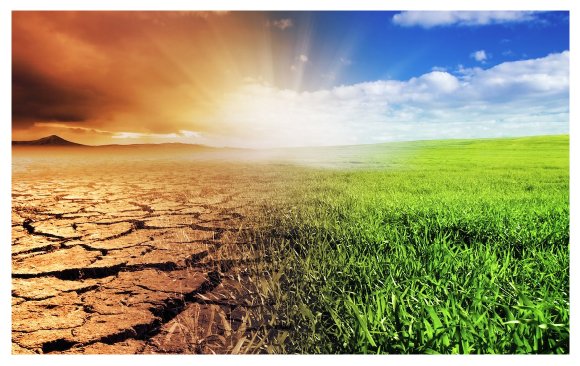
As our climate continues to heat up and the effects of that warming become more frequent and severe, it will increasingly challenge farmers and farming communities around the world. And the damage that climate change is already beginning to inflict will not be spared by farmers. A “perfect storm” that threatens the farmers ’ livelihoods and our food supply is the combination of advancing climate change and an even more industrial system. Here are some ways how global warming can affect farming.
- Change of Rain Precipitation
Changing patterns of precipitation. Rainfall patterns across the country have already begun to shift, and these changes are expected to intensify over the coming years. This is likely to mean more intense and longer dry periods of heavy rain, even within the same regions.
- Change of Temperature
Changing patterns of temperatures. Farmers in all regions are likely to be affected by increasing average temperatures, more extreme heat throughout the year, fewer sufficiently cool days during the winter, and more frequent cold-season thaws.
- Frequency of Floods
Floods. In many agricultural regions of the nation, we’ve already seen an increase in flooding. The increase in sea level is also increasing the frequency and intensity of flooding on farms in coastal areas. These expensive floods are devastating crops and livestock, accelerating the erosion of soils, polluting water, damaging roads, bridges, schools and other infrastructure.
- Change of Crop and Livestock Viability
Changes in viability for crops and livestock. Farmers choose varieties of crops and breeds of animals that are well adapted to local conditions. As these circumstances change rapidly over the coming decades, many farmers will be forced to rethink some of their choices, which can mean investing in new capital, finding new markets, and learning new practices.
What will this mean?
- As summer heat intensifies, farmers and farm workers will face increasingly grueling and potentially unsafe working conditions.
- Accelerating crop failures and livestock losses will make farmers with access to insurance or disaster relief programs more reliant on those taxpayer-funded supports, while those without sufficient safety nets will face additional challenges. Failing farms and stagnating farm profits will also increase suffering in many rural communities.
- Farming communities will be among the first to feel the ways extreme weather exacerbates agriculture’s impacts on water resources—with nearby water supplies polluted or depleted before the damage extends to drinking water and fisheries far downstream.
At BeBlessed Farm’s Farm2houz, we believe in doing our part by helping save our beautiful earth. We believe strongly that climate change does not only affect us but affects every living thing that lives on this planet we call home. For climate impacts, our farms and farm communities don’t need to be sitting ducks. Forward-looking farmers and scientists are finding new, climate-resilient ways to produce our food:
Build healthier, “spongier” soils through practices that increase the ability of the soil to soak up heavy rainfall and hold water for dry periods, such as planting cover crops and deep-rooted perennials;
Make farms better by redeveloping them as various agroecosystems, incorporating trees and indigenous perennials, decreasing fertilizer and pesticide dependence, and reintegrating crops and animals;
Develop new crop varieties, breeds of livestock and farming practices meant to help farmers adapt to changing climate realities.
Together, we can make the difference.
Leave a Reply